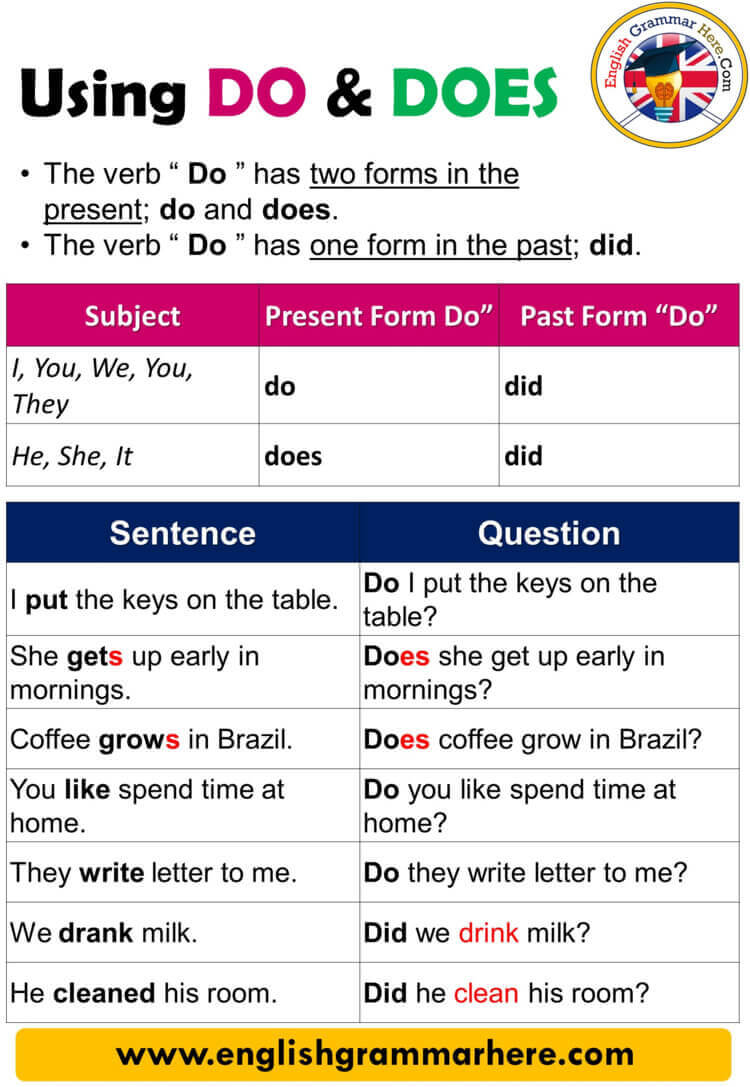
Does Livvy Dunne Have Onlyfans Using Do And Definition And Example Sentences English Grammar Here
Activate Now does livvy dunne have onlyfans select watching. Without any fees on our video archive. Lose yourself in a great variety of curated content put on display in excellent clarity, the best choice for superior streaming devotees. With current media, you’ll always be informed. Explore does livvy dunne have onlyfans personalized streaming in vibrant resolution for a mind-blowing spectacle. Register for our content portal today to look at one-of-a-kind elite content with absolutely no cost to you, without a subscription. Get fresh content often and navigate a world of one-of-a-kind creator videos optimized for select media lovers. This is your chance to watch unseen videos—swiftly save now! Discover the top selections of does livvy dunne have onlyfans unique creator videos with brilliant quality and exclusive picks.
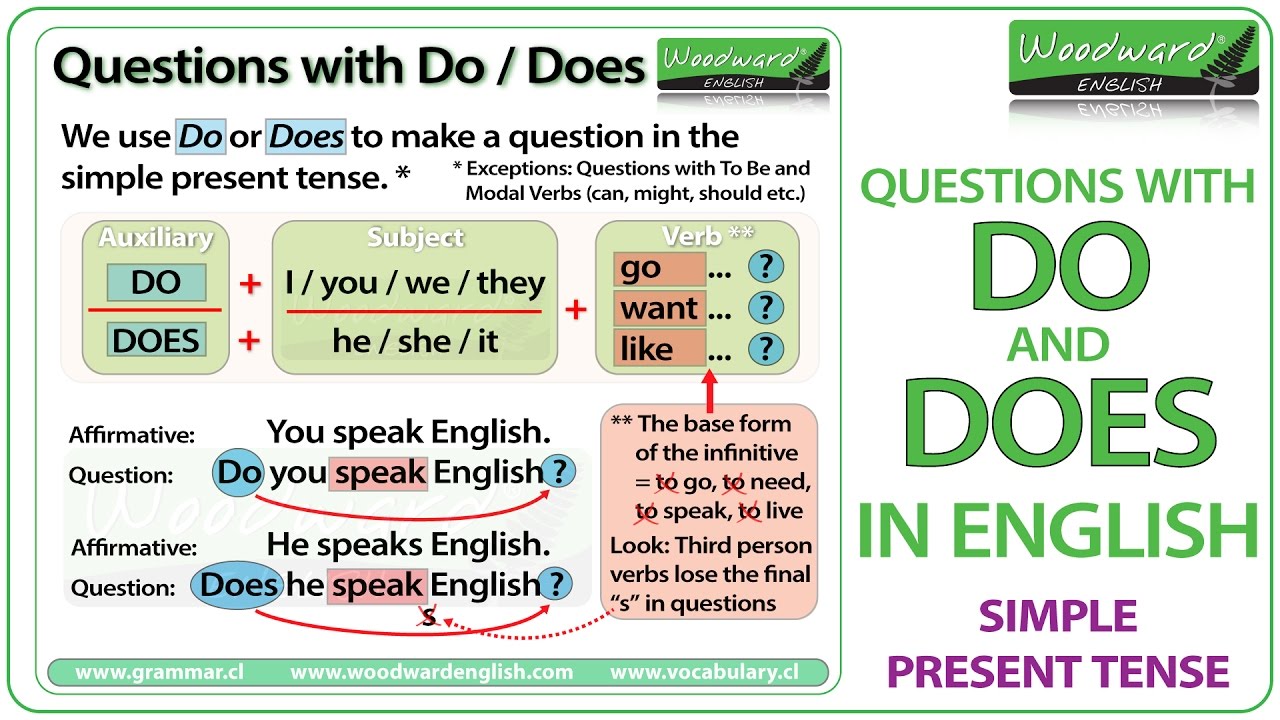
See examples of does used in a sentence. After 40 days of a standoff, the senate on sunday night voted to advance a deal that would move toward funding the government. Both do and does are present tense forms of the verb do
Using Do and Does, Definition and Example Sentences - English Grammar Here
Which is the correct form to use depends on the subject of your sentence Listen to the audio pronunciation in english In this article, we’ll explain the difference between do and does, cover when and how to use each form, and provide examples of how they’re used in sentences.
Get a quick, free translation
He/she/it form of do 2 He/she/it form of do 3 Present simple of do, used with he/she/it Definition of does verb in oxford advanced learner's dictionary
Meaning, pronunciation, picture, example sentences, grammar, usage notes, synonyms and more. Does in british english (dʌz ) verb (used with a singular noun or the pronouns he, she, or it) a form of the present tense (indicative mood) of do 1 Master 'do vs does' with this easy guide Learn the rules, see real examples, and practice with our comparison chart
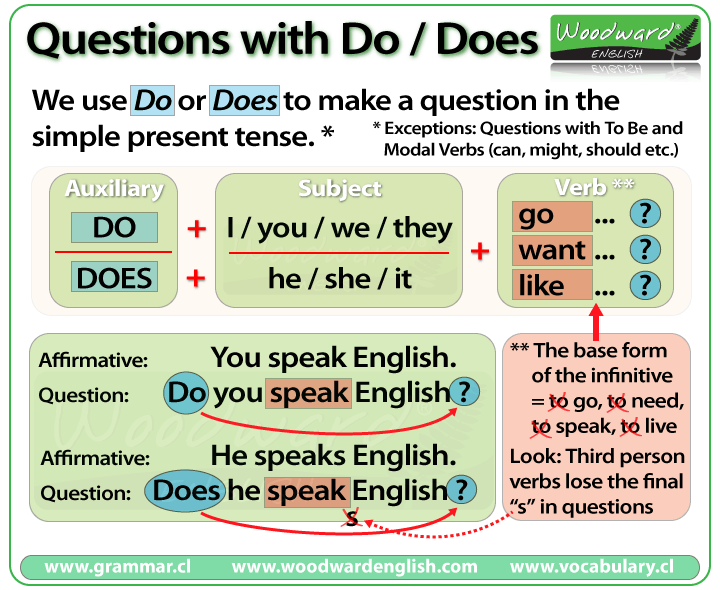
‘do,’ ‘does,’ and ‘did’ are versatile auxiliary verbs with several key functions in english grammar
They are primarily used in questions, negations, emphatic statements, and short answers.