There's Only One Dc The Pronoun "there" In The English Grammar Langeek
Start Now there's only one dc world-class webcast. No monthly payments on our content platform. Experience the magic of in a endless array of tailored video lists highlighted in excellent clarity, designed for high-quality streaming geeks. With contemporary content, you’ll always stay on top of. Discover there's only one dc preferred streaming in crystal-clear visuals for a truly enthralling experience. Get involved with our content collection today to check out private first-class media with cost-free, free to access. Enjoy regular updates and explore a world of uncommon filmmaker media optimized for high-quality media buffs. Grab your chance to see original media—get it in seconds! Witness the ultimate there's only one dc original artist media with true-to-life colors and editor's choices.
The meaning of there is in or at that place —often used interjectionally Used to indicate an unspecified person in direct address How to use there in a sentence
Past Simple Tense: How To Use It Correctly (With Examples)
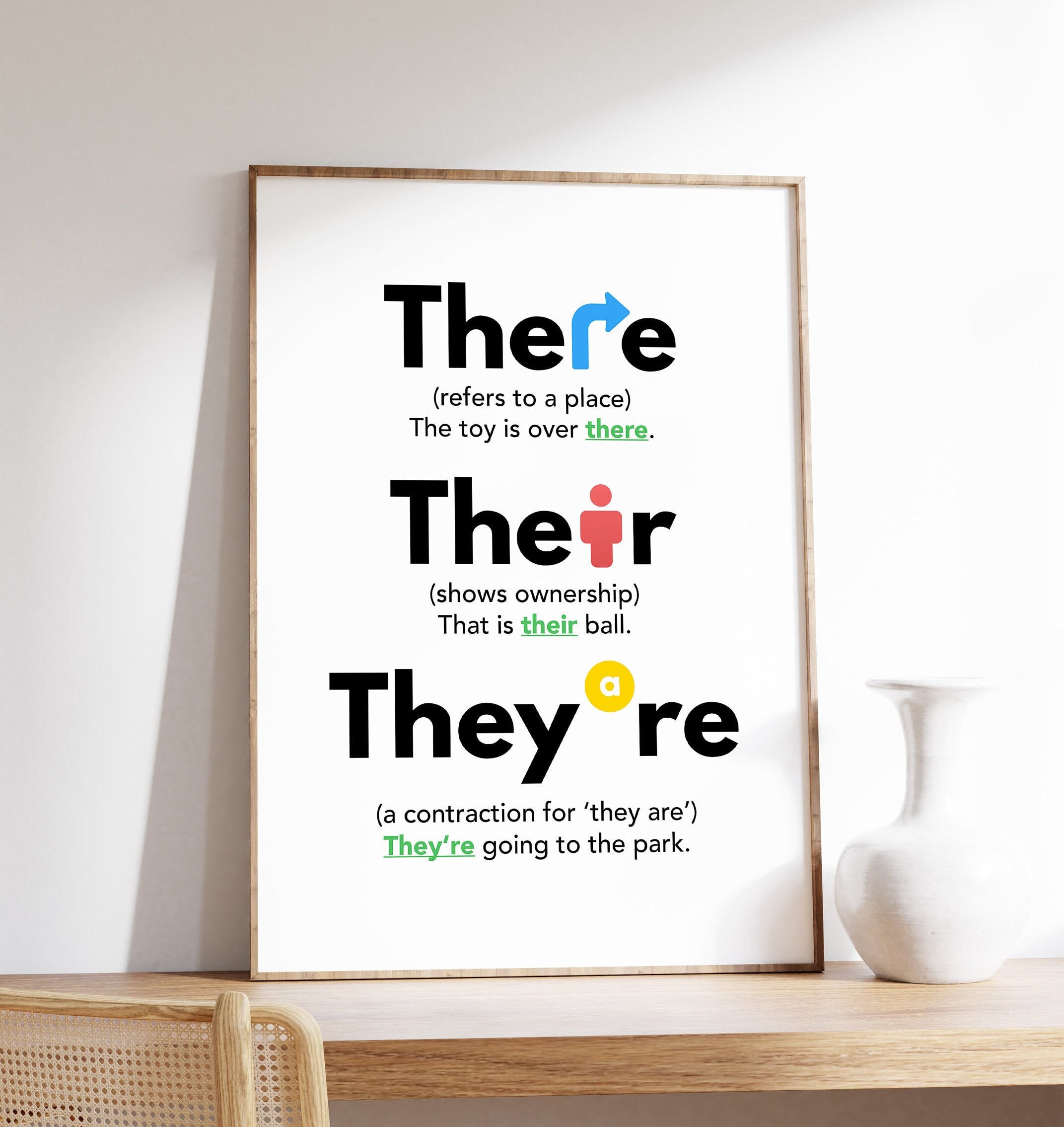
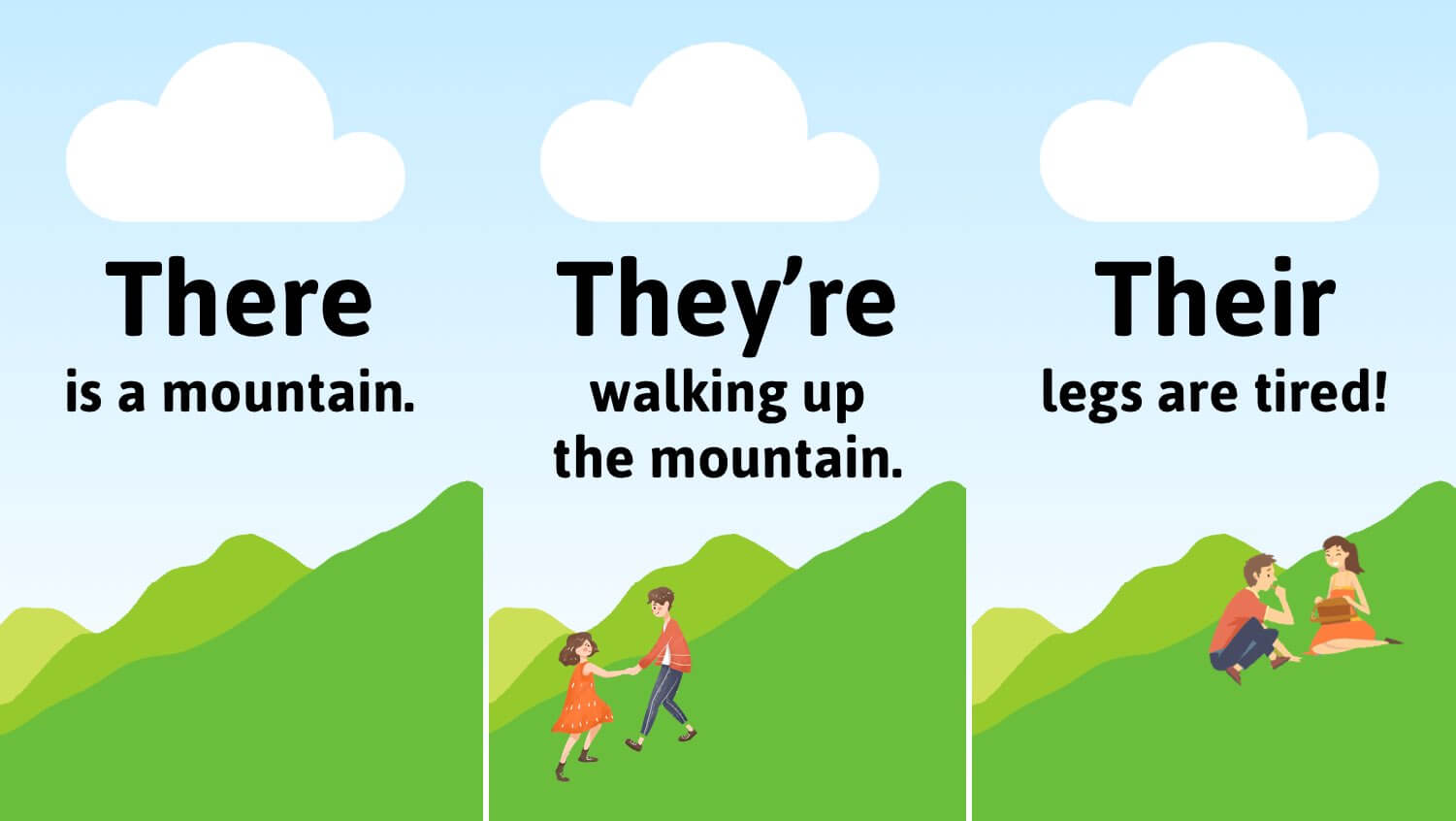
(to, at, or in) that place There must be another exit In this article, we’ll explain the meanings of their, there, and they’re, how to use each word correctly, and provide example sentences for each term
We’ll also give some tips on how to remember how each one is spelled.
There, their, and they're sound similar, but they have very different meanings It is important to understand the difference between these words because using the wrong one is considered a basic mistake. There are countless people who call themselves jack Can they all be doing so accurately
And by the way, where is this there you speak of As i listen to you, i experience your voice as a physical sensation within my head Certainly jack isn't in there Wherever your entity called jack is, it's probably safe to say that that is.
You use there in front of certain verbs when you are saying that something exists, develops, or can be seen
Whether the verb is singular or plural depends on the noun which follows the verb. Used to introduce a clause or sentence